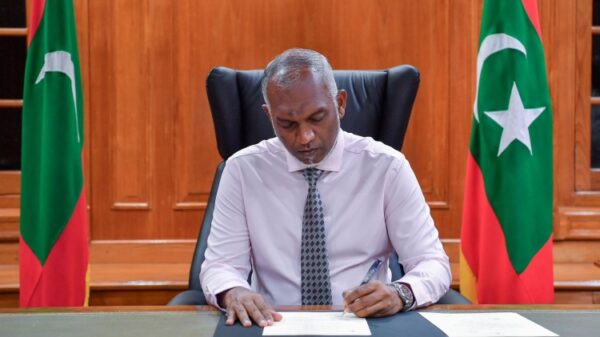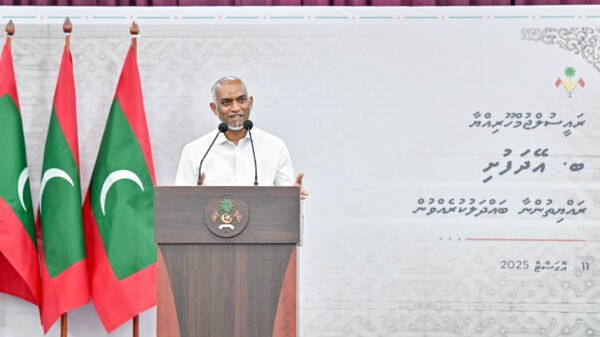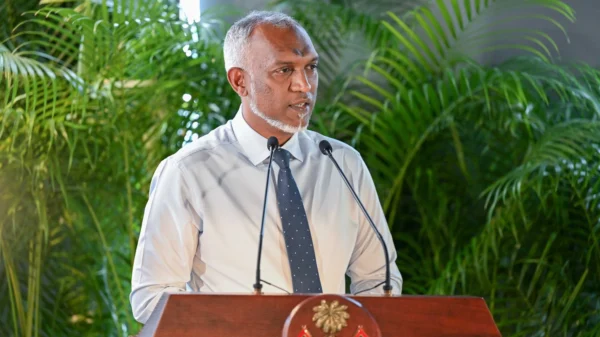
In a decisive move aimed at reducing government expenditure, President Dr. Mohamed Muizzu has announced the removal of 228 political appointees from various ministries. This measure is part of his administration’s broader Economic Reform Agenda, which seeks to streamline government operations and ensure more efficient use of public funds.
The President shared this development via his official X account, describing the decision as a necessary cost-cutting step. The 228 appointees to be removed over the next 15 days include seven State Ministers, 43 Deputy Ministers, 109 Senior Political Directors, and 69 Political Directors.


The reform is projected to save the government approximately MVR 5.714 million per month, a significant financial relief that aligns with President Muizzu’s ongoing efforts to curb unnecessary public spending. Since taking office in November 2023, the President has emphasized the importance of fiscal responsibility, pledging to make the government more efficient without compromising essential public services.
This latest decision is seen as a continuation of his administration’s focus on reforming key sectors, particularly in terms of public administration. It follows a series of measures aimed at reducing wasteful expenditures, as part of his pledge to address the growing public debt and bring fiscal discipline.
This major restructuring also comes at a time when the Maldives is preparing to address significant economic challenges, including debt management and the need for increased investment in sectors such as infrastructure, tourism, and healthcare. With a strong “Maldives-first” approach, the President continues to prioritize domestic fiscal health, while balancing international relationships and partnerships.
In line with this, the government’s push for cost-cutting initiatives appears to be just the beginning of broader reforms that could reshape the political landscape of the Maldives. Dr. Muizzu’s commitment to enhancing governance by focusing on resource optimization and accountability is seen as a necessary step toward ensuring long-term economic resilience.