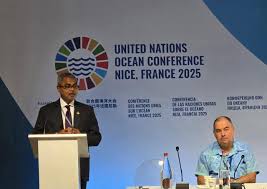
Minister of Climate Change, Environment, and Energy Thoriq Ibrahim has departed for Baku, Azerbaijan, to represent the Maldives at the United Nations Climate Change Conference, COP29, which begins tomorrow. The conference, which runs until November 22, brings together global leaders, experts, and advocates to address pressing climate challenges.
The Maldives, a nation especially vulnerable to climate change due to its low-lying geography, is set to play a prominent role at this year’s summit. According to the Environment Ministry, Minister Thoriq has emphasized the Maldives’ commitment to climate action and plans to spearhead multiple side events during COP29.


Among the key initiatives, the Maldives will collaborate with the Asian Development Bank (ADB) on renewable energy development. This event aims to explore sustainable energy options tailored for island nations, a critical issue as the Maldives works to reduce its dependence on fossil fuels.
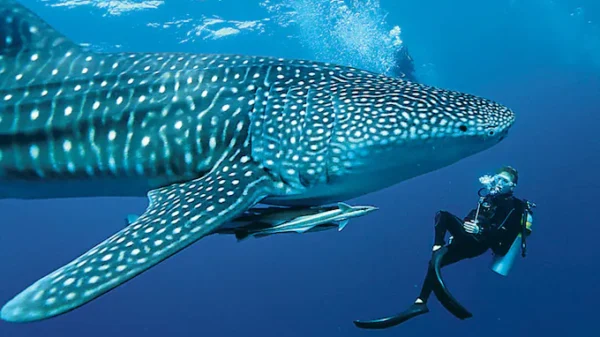
In addition, the Maldives will host a session on “Sustainable Coral Reef Management,” highlighting the importance of reef preservation. As the chair of the Atolls Nation at COP, the Maldives is uniquely positioned to advocate for reef conservation, which is vital for the biodiversity and economy of island communities.
Minister Thoriq also announced plans to advocate for international funding towards the Loss and Damage Fund, which supports countries disproportionately affected by climate impacts. He will also launch the Maldives’ bi-annual transparency report, showcasing the nation’s progress and accountability in meeting its climate commitments.
Last year, the Maldives was represented at COP28 in Dubai by a senior delegation led by the President, underscoring the country’s dedication to global climate advocacy. This year, Minister Thoriq’s agenda at COP29 aims to build on that legacy, pushing for stronger action and resources to support climate resilience in vulnerable regions.
COP29 is expected to serve as a crucial platform for island nations like the Maldives to secure support for their sustainable development goals amid escalating climate risks.