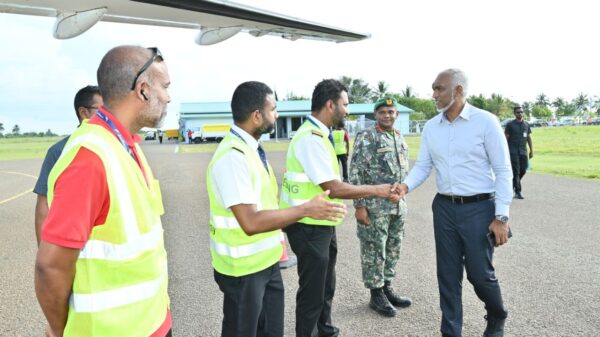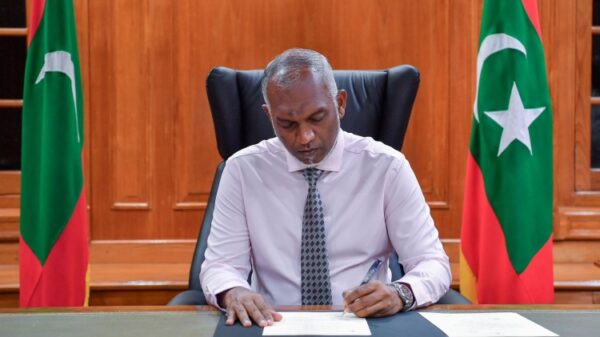






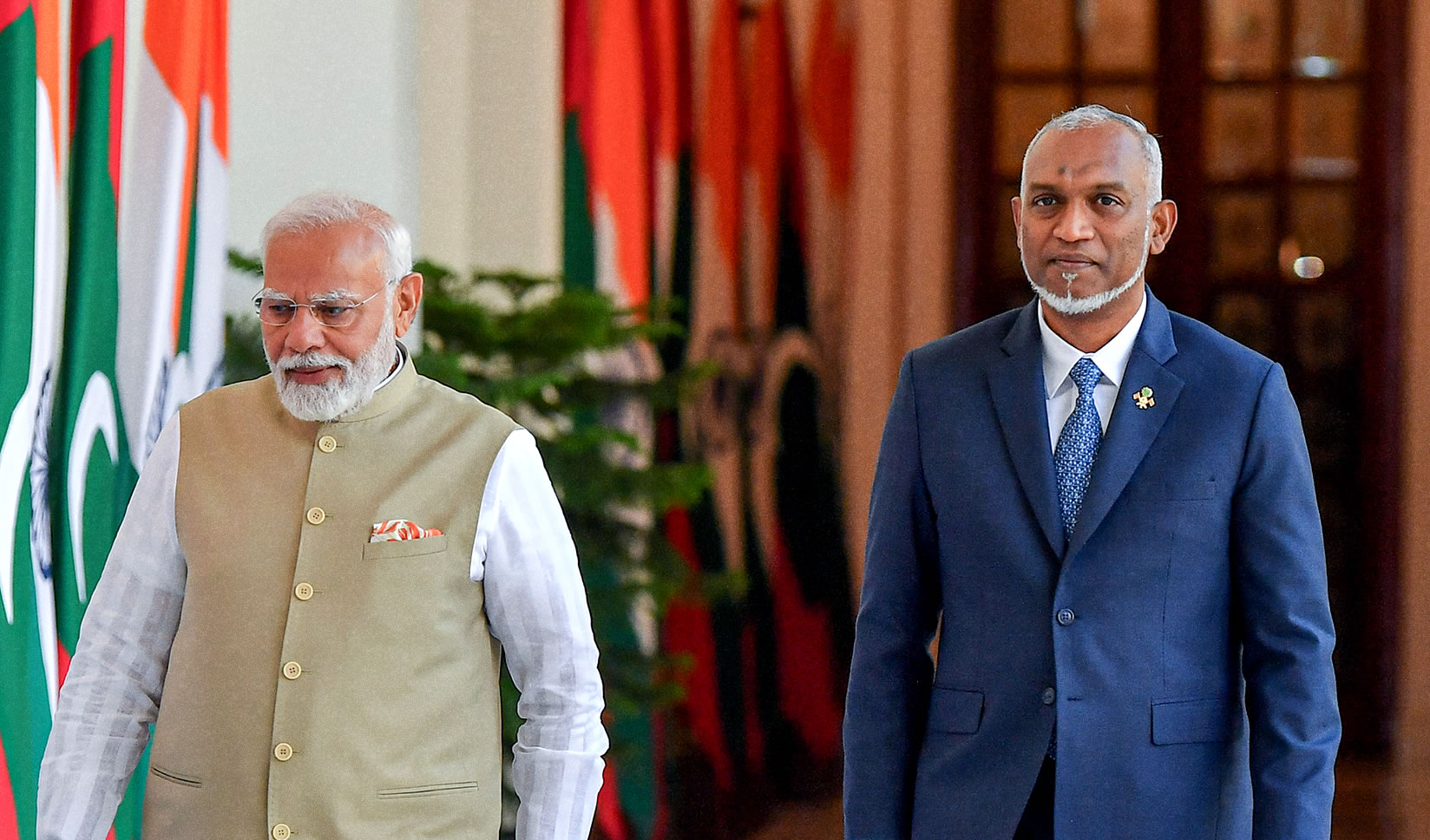
President Dr. Mohamed Muizzu’s recent state visit to India—his first since taking office—was more than just a diplomatic formality. It was a decisive moment, reflecting the president’s carefully calibrated foreign policy approach: strengthening relationships with key nations while maintaining a strong, independent stance that prioritizes Maldivian sovereignty and national interest. As he wrapped up his five-day visit, President Muizzu’s actions reaffirmed his commitment to a “Maldives-First” policy, with India being one of the primary partners in that vision.
Navigating Diplomacy Without Compromise
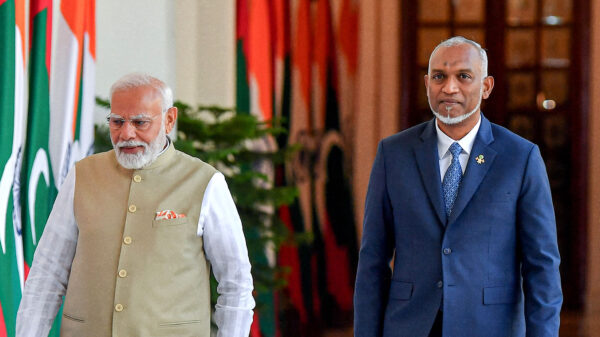
At the heart of President Muizzu’s diplomacy is a clear message: the Maldives is open for strong, mutually beneficial relations with all nations, but not at the expense of its independence. This nuanced position was evident in his speeches, discussions, and agreements made during his visit to India. His meeting with Prime Minister Narendra Modi highlighted the longstanding relationship between the two countries—a bond that has been built on cooperation in areas like security, infrastructure, trade, and tourism.

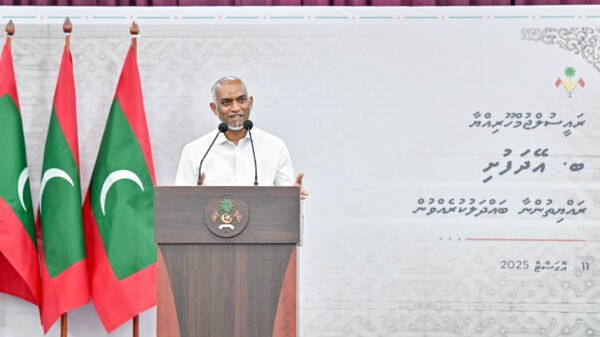
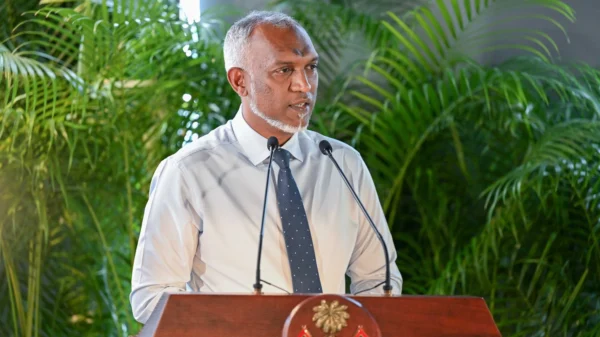
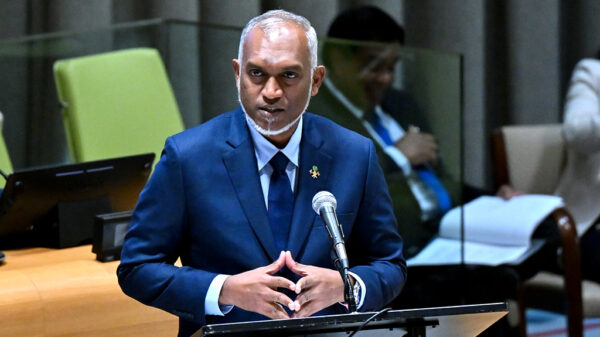
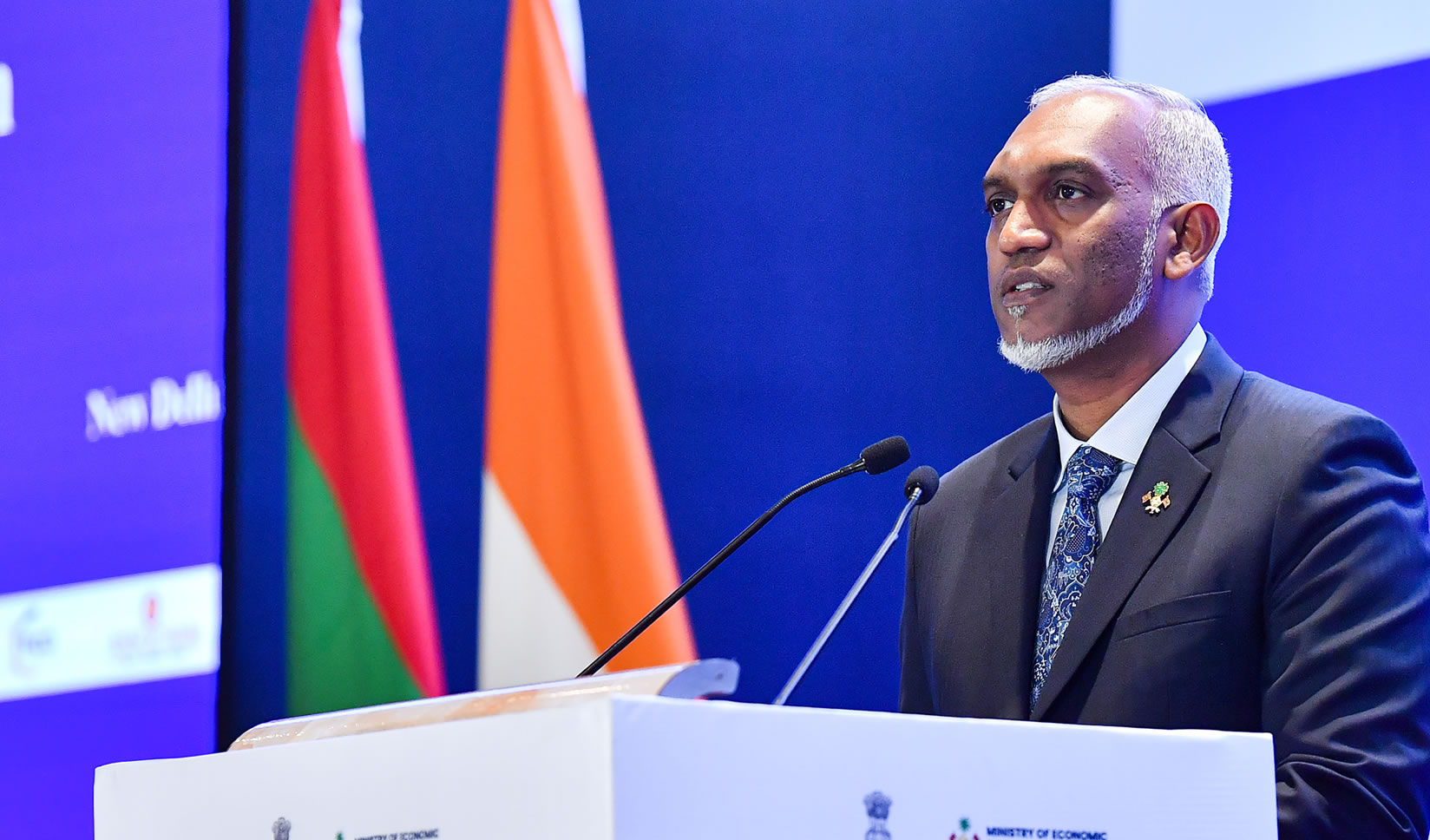
But President Muizzu’s approach diverges from the traditional dependency narrative. During his meeting with the Maldivian diaspora in Bangalore, the president made a pointed remark: “The Maldives will strengthen bilateral ties with other nations without compromising its independence, sovereignty, and territorial integrity.” This statement encapsulates President Muizzu’s foreign policy strategy: partnerships that respect the autonomy of the Maldives.
For decades, the Maldives has walked a tightrope between powerful neighbors like India and global actors like China, the United States, and the European Union. President Muizzu’s state visit showcased a delicate balancing act, maintaining a robust relationship with India, while also signaling to other international partners that the Maldives will not be cornered into any one geopolitical block.
A Productive Visit to India
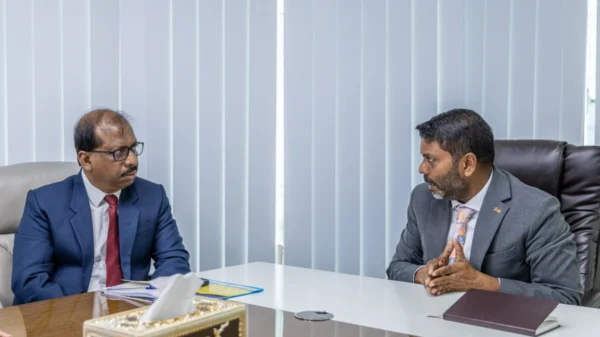
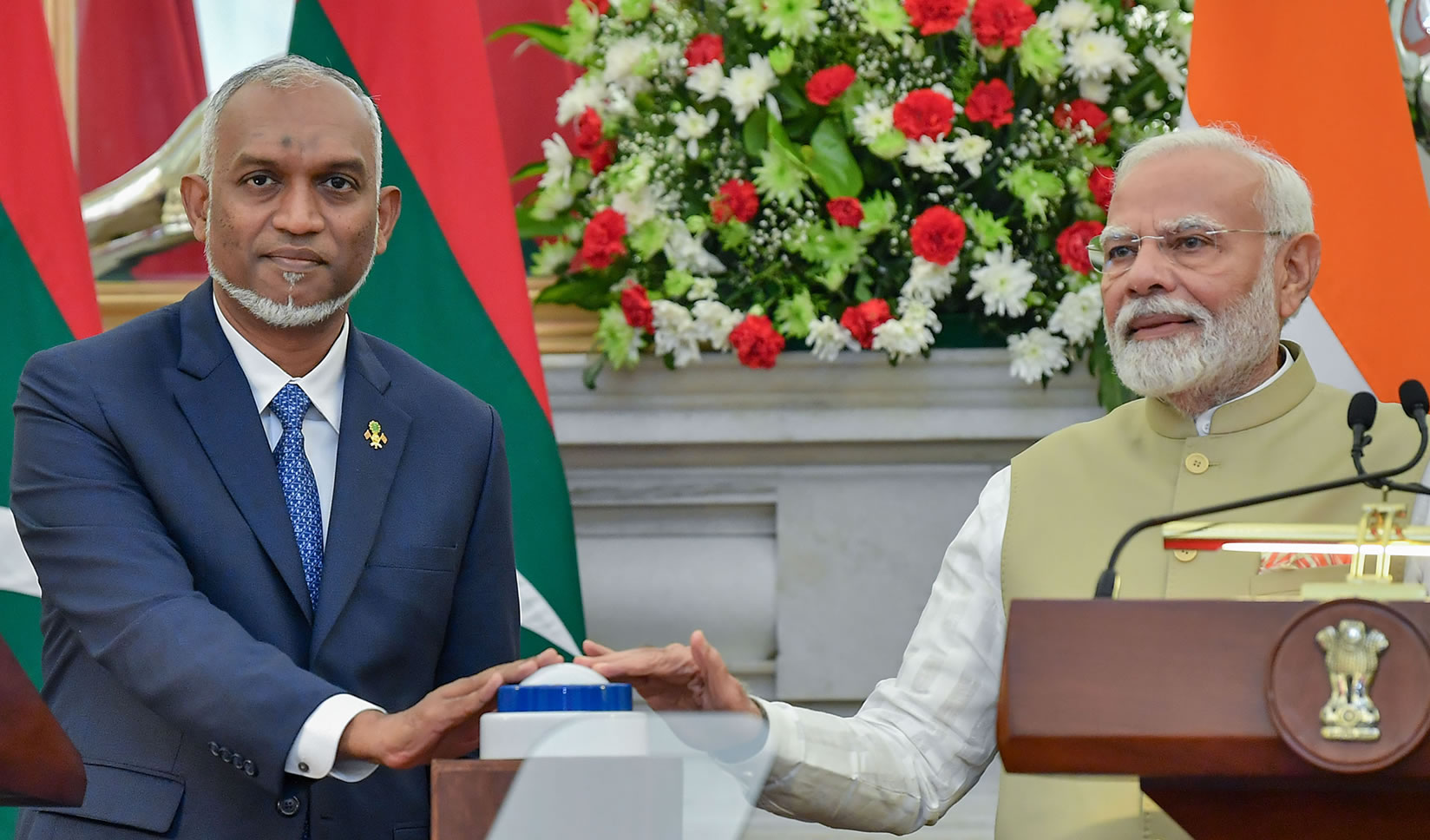
During the visit, President Muizzu engaged in high-level discussions with Indian leaders, including President Droupadi Murmu and Prime Minister Modi. The highlight was the adoption of “A Vision for Comprehensive Economic and Maritime Security Partnership”—a strategic framework aimed at fostering deeper cooperation in sectors ranging from infrastructure and renewable energy to security and human resource development.
While these discussions were rich in substance, President Muizzu made it clear that the relationship with India was built on equality, not deference. Despite India’s large financial support—such as the rollover of T-bills and a currency swap agreement—the Maldivian president repeatedly emphasized that this aid would be utilized to advance the Maldives’ own goals of sustainable growth, economic diversification, and self-reliance. There was no room for the perception of unequal dependence.
A Clear Maldives-First Policy
What sets President Muizzu apart in his foreign policy is his clarity on putting the Maldives first. His “Maldives-First” policy is a reflection of the island nation’s new age diplomacy—focused on fostering good relations with all nations but driven by the core principle of safeguarding sovereignty. This strategic independence was demonstrated in his discussions with Indian officials, where he was keen to point out that while India is the Maldives’ closest neighbor and a trusted partner, all partnerships must be guided by mutual respect.
The diplomatic tightrope also comes with managing perceptions. Previous Maldivian administrations have faced criticism for appearing too close to India or China, leading to public anxiety about “India Out” or “China In” movements. President Muizzu’s approach seems designed to transcend these narratives, carefully crafting an independent foreign policy that opens doors to economic opportunities with all major powers, without entangling the Maldives in global rivalries.
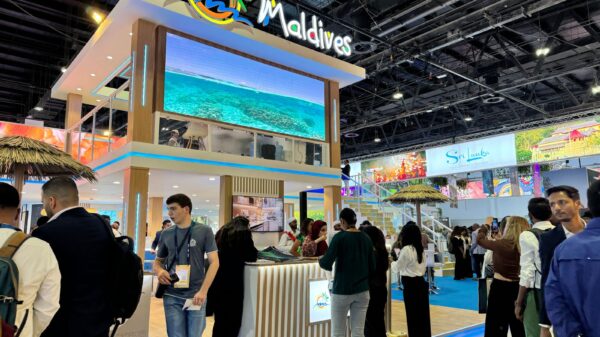
His interactions with Indian business leaders, for instance, focused on attracting Indian investments in the tourism sector—Maldives’ economic backbone—while outlining projects in special economic zones, eco-friendly resorts, and private islands. Yet, even as he courted Indian investors, President Muizzu made it clear that the ultimate goal was to elevate the Maldivian economy for the benefit of its people, not to entrench dependency on any one foreign entity.
Strengthening Ties While Safeguarding Sovereignty
President Muizzu’s state visit to India should not be seen merely as a success for bilateral relations, but as a model for how small nations can navigate complex international waters. His administration is laying the groundwork for a more assertive, yet cooperative foreign policy—one that places the interests of Maldivians first, while still welcoming strategic partnerships with countries like India.
During the visit, President Muizzu also engaged with Maldivian communities in New Delhi and Bangalore, listening to their concerns and reaffirming his commitment to safeguard their interests abroad. This people-centered approach aligns with his broader vision of development, which places equal emphasis on the prosperity of the Maldivian citizenry, whether at home or abroad.
A Balancing Act for the Future
As the Maldives prepares to celebrate 60 years of formal diplomatic relations with India next year, President Muizzu’s state visit marks a turning point. While he clearly values the historical bond between the two countries, he also made it evident that future partnerships will be rooted in mutual benefit and respect for sovereignty. With India’s leaders invited to visit the Maldives next year, the stage is set for continued collaboration—but on the terms of a confident, independent Maldives.
President Muizzu’s state visit to India showcased a leader walking a fine line between diplomacy and sovereignty. His Maldives-First policy is not just rhetoric—it is a strategic blueprint for the nation’s future, ensuring that as the Maldives engages with the world, its autonomy remains non-negotiable.