


















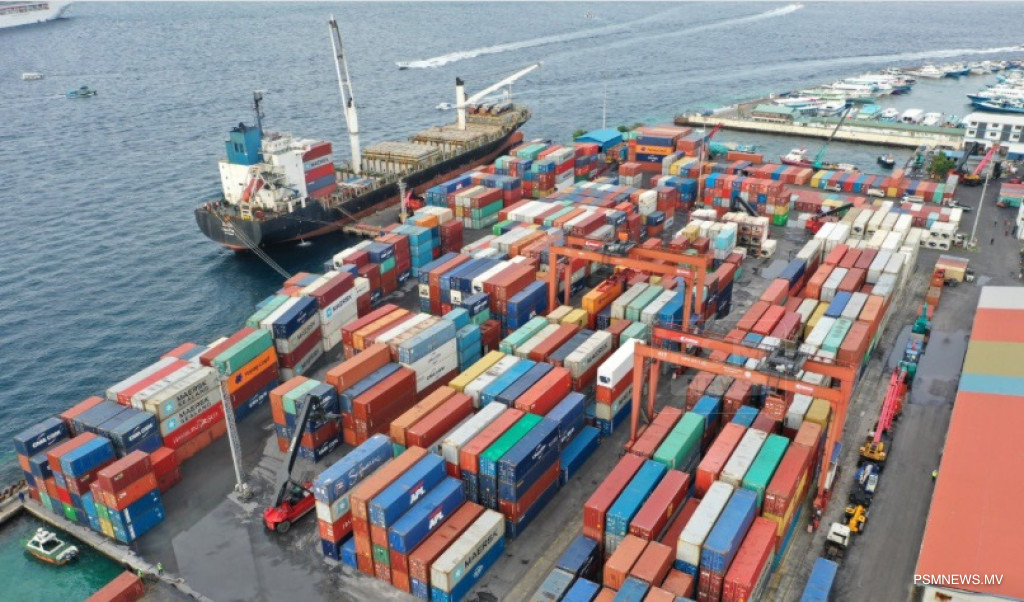
India has announced a historic increase in export quotas for essential goods to the Maldives, reinforcing its commitment to bilateral trade and regional cooperation under its Neighbourhood First policy. The decision marks the largest allocation since the trade agreement between the two nations was established in 1989.
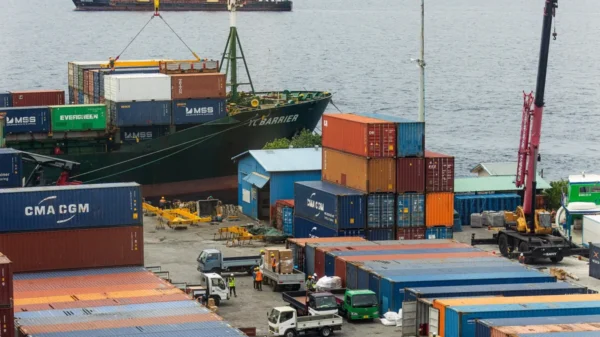
The Indian Directorate General of Foreign Trade (DGFT) confirmed the expansion in a notification issued on Tuesday, detailing the revised quotas for key commodities to be exported during the 2025–26 fiscal year. The updated provisions ensure a steady supply of vital goods, including eggs, potatoes, onions, rice, wheat flour, sugar, dal, stone aggregate, and river sand, which will remain exempt from all current and future export restrictions.

Under the new allocation, export volumes for several essential items, such as onions, eggs, potatoes, sugar, rice, and flour, have been increased by 5%. Meanwhile, dal exports have been granted a significant 56% rise, and quotas for construction materials—including stone aggregate and river sand—have been expanded by 30%.
According to the DGFT’s notification, the revised annual quotas now stand at 448.91 million eggs, 22,589 tonnes of potatoes, 37,537 tonnes of onions, 130,429 tonnes of rice, 114,621 tonnes of wheat flour, 67,719 tonnes of sugar, 350 tonnes of dal, and 1.30 million tonnes each of stone aggregate and river sand.
Despite India’s broader export restrictions on certain essential goods, the Maldives continues to receive special exemptions under this quota system, ensuring uninterrupted access to critical supplies. The Indian government has reaffirmed its commitment to maintaining these exclusive trade benefits, highlighting their importance in supporting the Maldives’ food security and development.