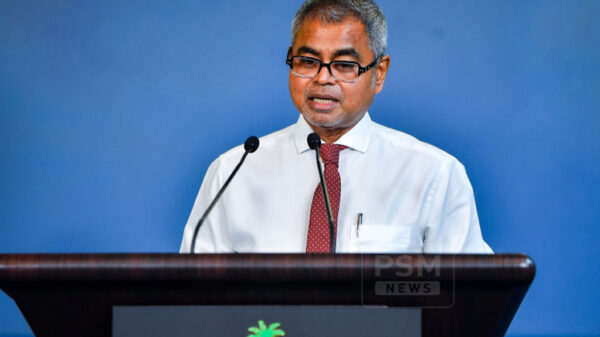
In a significant step toward integrating environmental sustainability into national development, the Ministry of Tourism and Environment has launched a Natural Capital Accounting (NCA) initiative in Laamu Atoll under the Enhancing National Development through Environmentally Resilient Islands (ENDhERI) project.
The newly introduced framework seeks to underscore the often-overlooked economic and social value of natural ecosystems—such as coral reefs, wetlands, and forests—and ensure that their contributions are factored into planning and policy decisions.


According to the Ministry, the natural resources that support livelihoods, tourism, and local economies are frequently utilized without a clear understanding of their true worth. By quantifying the value of these ecosystems, the NCA framework aims to bring greater awareness to how deeply economic wellbeing is tied to environmental health.
“Many of the services our environment provides—clean water, coastal protection, and biodiversity—are taken for granted. Through Natural Capital Accounting, we can make these values visible and tangible,” the Ministry stated.
The initiative in Laamu is part of the broader ENDhERI project, which is funded by the Global Environment Facility (GEF) and supported by the United Nations Environment Programme (UNEP). A key goal of the project is to enhance the resilience of reef ecosystems and promote sustainable island development through data-driven decision-making.
The Ministry also confirmed that Laamu Atoll is the first region to pilot this accounting model and that similar initiatives are expected to be introduced in other parts of the Maldives in the near future. Updates on Laamu’s progress will be shared in the coming days.
The Maldives, as one of the countries most vulnerable to climate change, has consistently emphasized the need to align development goals with environmental stewardship. This latest effort reinforces the nation’s commitment to sustainability and climate resilience.