









The capital is set to welcome its first general practice (GP) clinic in August, as part of a broader initiative to decentralise healthcare services and ease the mounting pressure on Malé’s overcrowded hospitals.
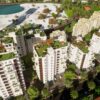
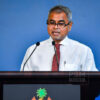
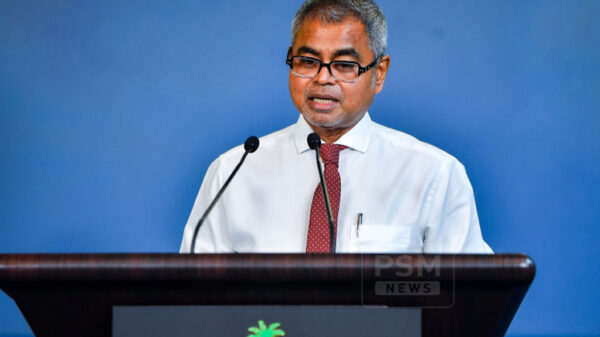
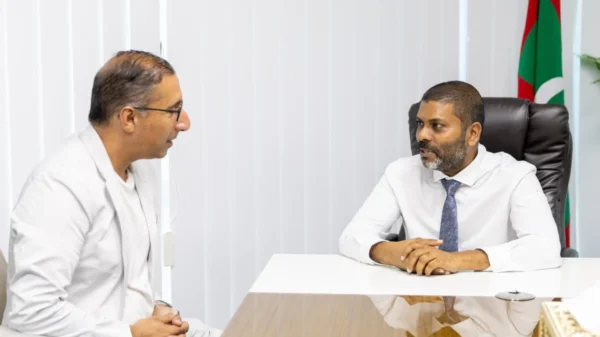
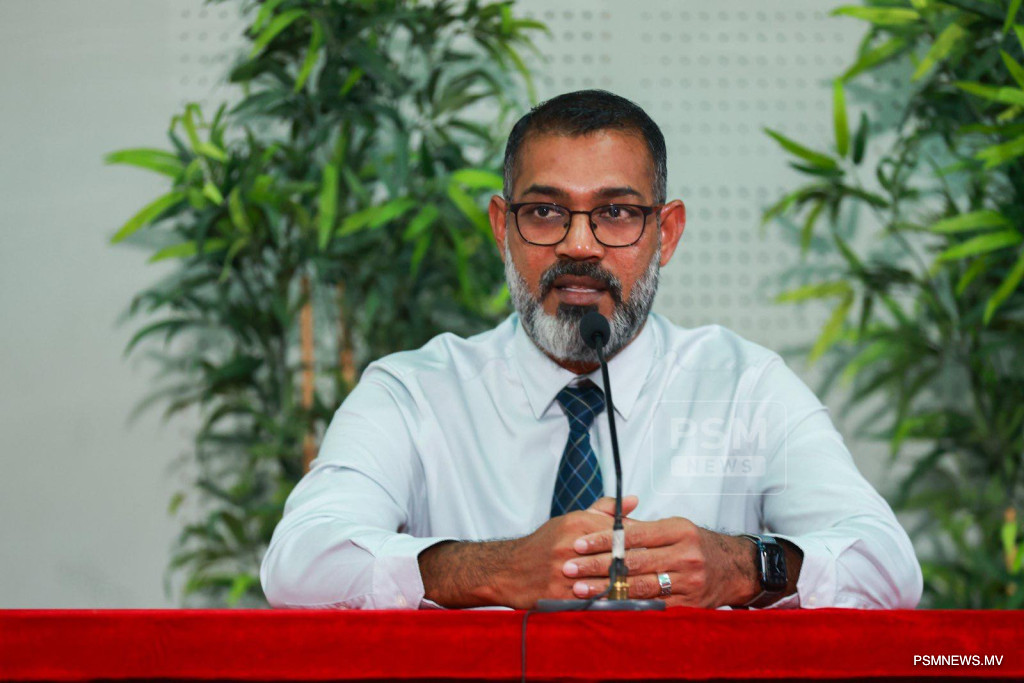
The announcement was made by Ibrahim Abdul Razzaq Haleem, CEO of the Malé City Group of Hospitals, during an appearance on PSM News’ Raajje Miadhu programme. He revealed that the inaugural clinic is being established at the Coral Boulevard Building in Maafannu, with three additional GP clinics planned across various districts of Malé City.

In a bid to extend coverage further, two more clinics will be constructed in Hulhumalé, with groundwork for these facilities expected to commence in the coming days.
“These clinics are designed to manage common and non-urgent health concerns, which currently contribute significantly to overcrowding at hospital emergency rooms,” Abdul Razzaq said. “Our goal is to bring basic healthcare services closer to the people’s homes.”
Each GP clinic will offer essential services such as consultations, sample collection, blood tests, and X-rays. When needed, patients will be referred for specialist consultations through the clinics, streamlining the current referral process and reducing wait times.
Currently, hospitals like Indira Gandhi Memorial Hospital (IGMH) and Hulhumalé Hospital receive hundreds of thousands of patient visits annually, many of which are for minor illnesses. IGMH alone sees more than 150,000 emergency and outpatient visits each year, while Hulhumalé Hospital handles over 238,000 visits.
Abdul Razzaq emphasised that a significant number of patients are occupying emergency services with mild ailments that could be treated elsewhere. “By diverting these cases to GP clinics, we can significantly improve the efficiency of emergency departments and focus hospital resources on patients with more serious medical needs,” he explained.
The upcoming clinics will provide services similar to those currently offered by Dhamanaveshi, the state-run public health centre, but with an added emphasis on accessibility and structured patient flow.
One of the key motivations behind the initiative is to reduce the financial burden on patients. Under the current system, many people visit private clinics due to the difficulty of securing timely appointments with specialists at public hospitals. The GP clinic model is expected to eliminate the need for unnecessary private visits by offering coordinated, primary-level care within the public system.
Officials say the concept mirrors international best practices, where local clinics serve as the first point of contact for most non-emergency health concerns. “This is a shift towards a more organised and patient-friendly healthcare system,” Abdul Razzaq noted.
The GP clinic initiative is part of the government’s wider strategy to build a more efficient, equitable healthcare system across the Maldives. Once operational, the network of clinics is expected to improve access to care, reduce public hospital congestion, and provide a cost-effective alternative for thousands of Maldivians seeking everyday medical attention.