The Ministry of Education has announced plans to launch A-level programmes in five additional islands starting from the upcoming academic year, a move aimed at expanding access to higher secondary education and meeting the growing demand from students wishing to continue their studies closer to home.
According to the ministry, the initiative follows encouraging results from island schools in last year’s O-level examinations, where a significant number of students performed exceptionally well.


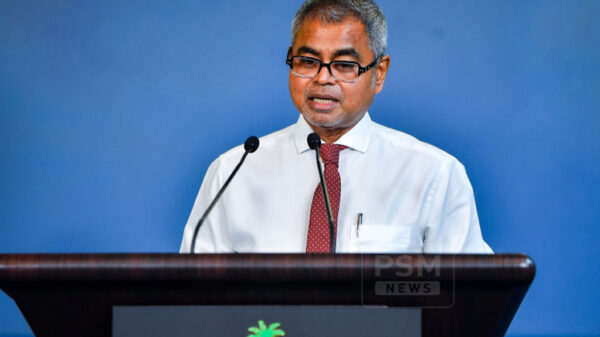
State Minister of Education, Dr Ahmed Mohamed, highlighted the development during an appearance on PSM News’ Raajje Miadhu programme.
“We have identified schools with a strong cohort of students completing Grade 10, many of whom have achieved excellent results. In line with our criteria, we will now extend the opportunity for these students to pursue A-level studies within their islands,” he explained.
While the ministry has not yet disclosed the names of the five schools selected, Dr Mohamed emphasised that sustainability is central to the expansion plan. He noted that the programmes would only be introduced in schools with the capacity to sustain enrolment over time, ensuring resources are used effectively.
This expansion forms part of the government’s broader policy of decentralising educational opportunities, reducing the need for students to relocate to Malé or other hubs to continue their studies.
In addition to geographic expansion, the ministry has revised its A-level admission criteria. Students who pass three or four subjects at O-level will now be eligible to enrol in A-level programmes—an adjustment designed to widen opportunities and encourage more students to pursue higher secondary education.
The ministry said the change is intended to create new pathways for students to progress academically, pursue their chosen fields of study, and align their qualifications with future career goals.
The expansion of A-level programmes directly supports President Dr Mohamed Muizzu’s pledge to improve access to education and create more equitable opportunities across the country. By enabling students to remain in their home communities while continuing their studies, the government aims to ease financial pressures on families while strengthening local schools as centres of academic excellence.