

















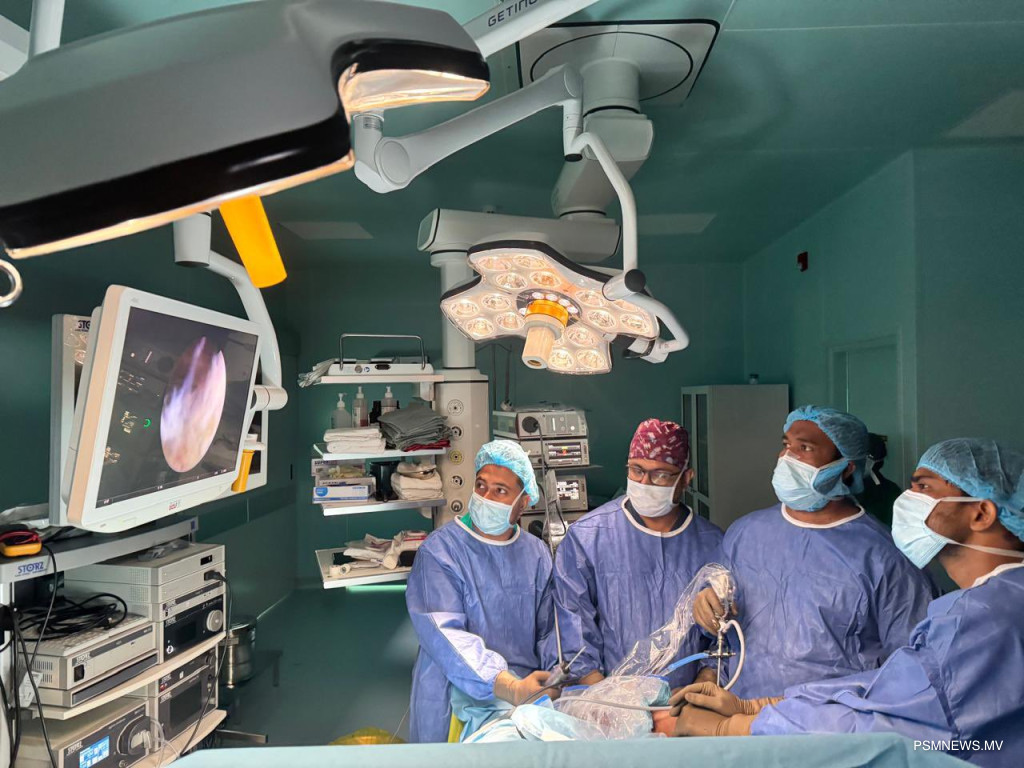
A landmark bill to establish a legal framework for organ transplantation in the Maldives has been submitted to Parliament.
The Human Organ Transplantation Bill, proposed by MP Ibrahim Didi on behalf of the government, aims to introduce a structured and ethical system for organ and organ-part transplants, ensuring that such medical procedures are conducted safely, fairly, and transparently within the country.

According to the bill, the legislation seeks to make organ transplant services in the Maldives accessible, high-quality, and sustainable, while protecting the rights of both donors and recipients.
The proposed law allows organ donations solely from living donors, with strict eligibility criteria. Individuals aged 18 years and above, and of sound mental capacity, may voluntarily consent to donate an organ. However, the bill explicitly prohibits organ donations from individuals in state custody or serving prison sentences.
To regulate the system, the bill calls for the establishment of a nine-member Organ Transplant Council, which will oversee licensing, compliance, and enforcement. The council will also have the authority to issue and revoke permits for organ transplant services and take disciplinary action against those found violating the law.
In addition, a five-member Organ Transplant Authorisation Committee will be formed to review and approve individual transplant procedures.
The bill criminalises the sale, purchase, or trade of human organs, as well as any transplant procedures performed without the donor’s explicit consent. Those found guilty — including healthcare professionals who assist in such acts — will face fines and imprisonment.
The proposed legislation is seen as a major step toward modernising the country’s healthcare system by enabling life-saving transplants within a regulated ethical framework, reducing dependency on overseas treatments, and safeguarding the dignity and rights of donors.