
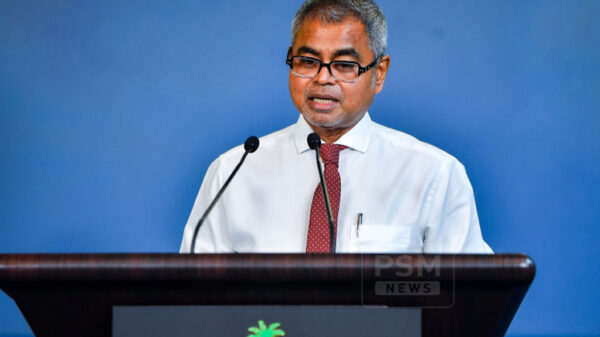







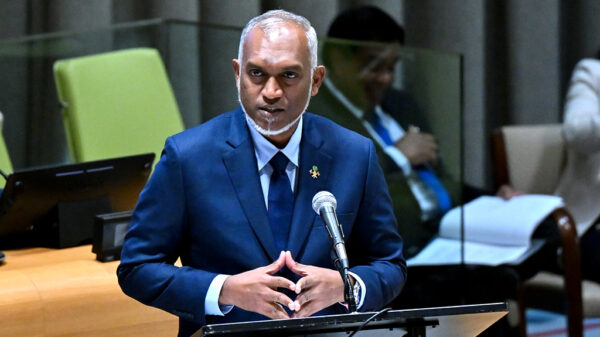








When President Dr Mohamed Muizzu took the stage on Monday evening to mark the second anniversary of his administration, the atmosphere in the hall was celebratory — but the moment that drew the most emotional response was not about infrastructure, economy, or development. It was about mental health.
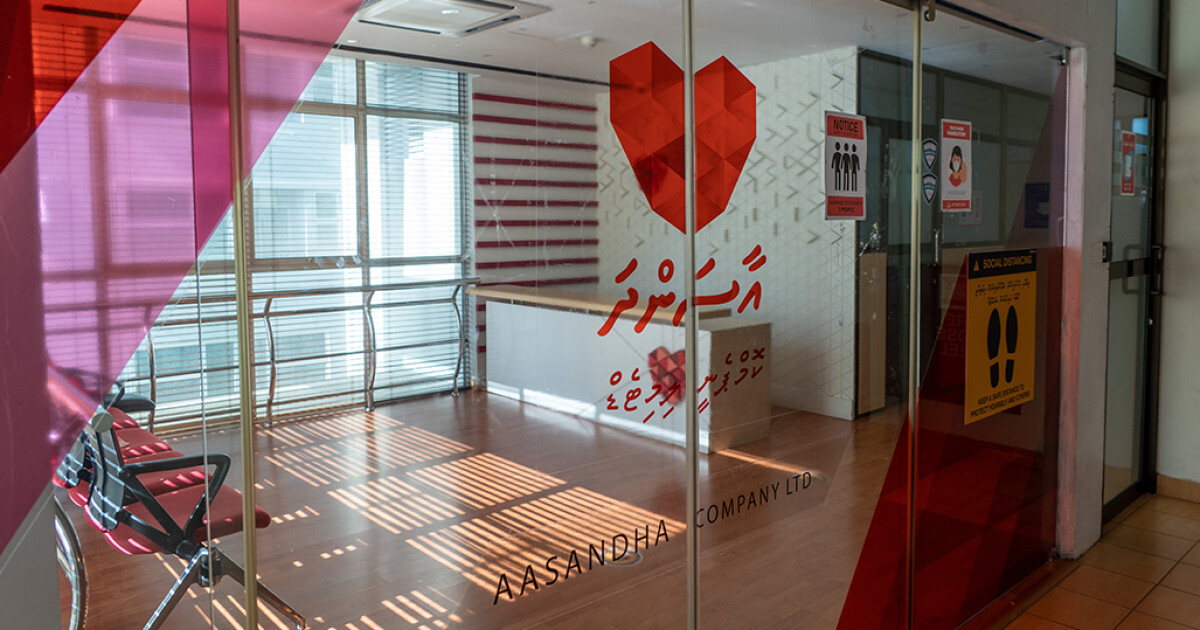
For the first time in Maldivian history, all mental health treatment costs will be fully covered by Aasandha, beginning January next year.

The announcement, delivered during the event themed “Rayyithunnaa Eku Kuriah – Hafthaa 104,” marks one of the most significant shifts in the country’s healthcare landscape. It is a policy that mental health advocates, medical professionals, and struggling families have long campaigned for.
For years, mental health treatment in the Maldives has existed in the shadows — expensive, difficult to access, and burdened by stigma. While Aasandha covered portions of physical health treatments, mental health care remained a financial responsibility that many could not afford.
President Muizzu acknowledged this reality directly:
“Mental health remains a major public health concern. It is no longer acceptable that patients bear these costs out of pocket.”
Counselling sessions, psychiatric consultations, medication, and long-term therapy can quickly amount to large bills — pushing many families into debt or leaving individuals untreated. Private clinics remain costly, and specialised services are limited across the atolls.
The President’s announcement changes the foundation of that equation.
Starting January 2026, the State will cover 100 percent of mental health-related treatment costs. This includes:
-
Psychiatric consultations
-
Therapy and counselling
-
Medication
-
Specialist services
-
Long-term treatment plans
Health officials say the change is designed not only to provide financial relief but also to encourage early intervention — something that can drastically improve outcomes for conditions such as depression, anxiety, bipolar disorder, and other psychiatric illnesses.
The announcement did not happen in isolation. Over the past two years, the Administration has slowly but steadily been strengthening the country’s mental health support system.
On 21 February 2024, the Government launched a dedicated mental health helpline, offering anonymous support to those facing emotional distress, panic episodes, or suicidal thoughts. The line has been particularly vital for youth, many of whom struggle silently within schools, families, or workplaces.
In October, the nation’s first National Suicide Prevention Strategy was introduced — a coordinated plan involving health institutions, schools, community workers, and law enforcement to reduce preventable deaths linked to mental health conditions.
These initiatives laid the groundwork for the newly announced insurance coverage, creating a system that no longer waits for crises but aims to prevent them.