





















The Health Protection Agency (HPA) has issued a travel advisory urging Maldivians heading to West Bengal to take extra precautions following the confirmation of Nipah virus cases in the region.
In a statement released this week, the HPA said three Nipah virus infections were detected in West Bengal earlier this month. While stressing that the likelihood of the virus spreading to the Maldives remains low, the agency confirmed that developments in India are being closely monitored in coordination with relevant authorities.

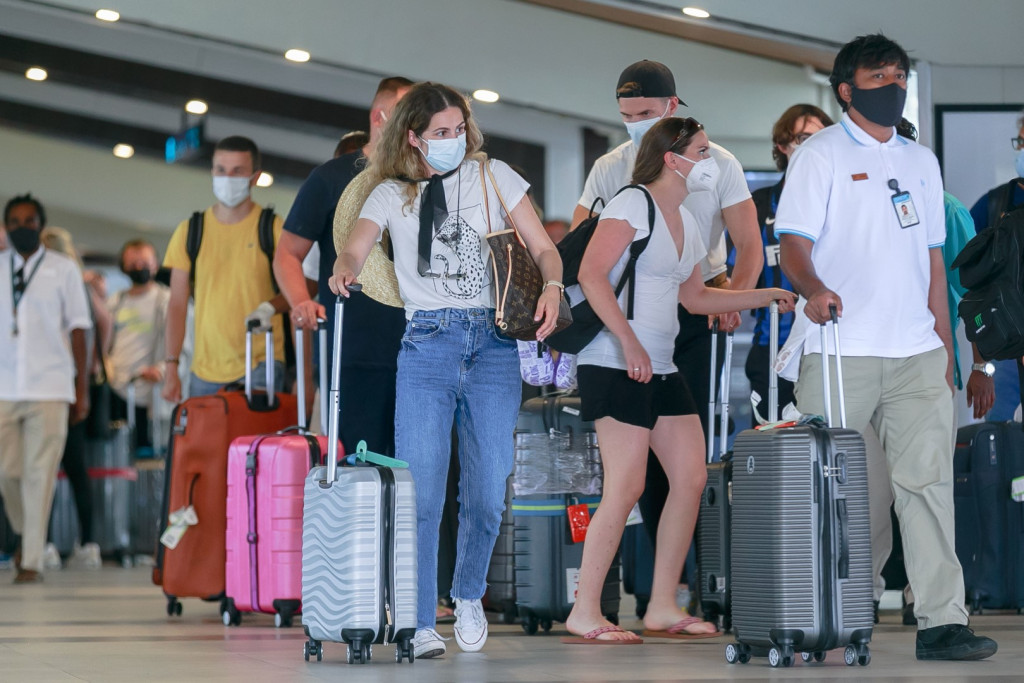
The HPA advised Maldivians travelling to the affected area to remain alert, practise good hygiene, and follow recommended safety measures throughout their visit.
Health officials noted that several Nipah virus cases have been reported in India since January. The virus is known to spread to humans through contact with infected fruit bats of the Pteropus family, which are its natural hosts, as well as through pigs and contaminated food products. Human-to-human transmission can also occur through close contact with bodily fluids.
Authorities in West Bengal have reportedly quarantined more than 180 individuals identified as close contacts of confirmed cases as part of containment efforts.
According to the HPA, no Nipah virus cases or suspected contacts have been reported from other parts of India or from any other country so far. The agency also confirmed that no cases have been detected in the Maldives.
Nipah virus infection can cause symptoms such as fever, headache, cough, sore throat, and difficulty breathing. In severe cases, the virus may affect the brain, leading to confusion, seizures, or coma. Health officials have also warned that some infected individuals may remain asymptomatic, making early detection challenging.
There is currently no specific antiviral treatment or vaccine for Nipah virus. Medical care focuses on managing symptoms and providing supportive treatment to reduce complications.
As a preventive measure, the HPA has advised travellers to avoid consuming partially eaten or fallen fruits, ensure fruits are washed thoroughly before consumption, avoid contact with sick animals, and maintain strict hand hygiene. Travellers experiencing symptoms during or after travel are urged to seek medical attention promptly.
The HPA reiterated that public awareness and early reporting remain key to preventing the spread of infectious diseases and protecting public health.