



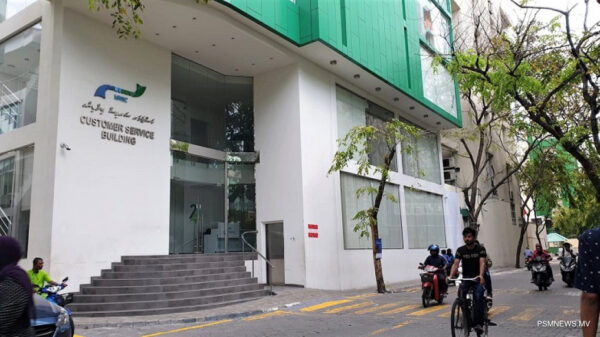













The Civil Service Commission (CSC) has announced that it is working on new measures aimed at introducing greater flexibility for civil servants, as part of broader efforts to improve workplace stability and employee wellbeing.
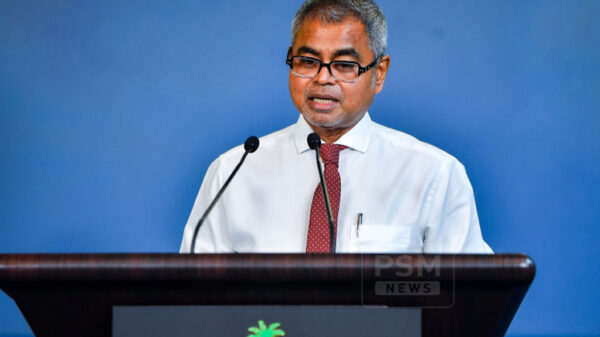
Speaking to state media, CSC President Mohamed Mujthaz said the Commission is assessing options to accommodate employees who face challenges adhering to fixed office hours due to personal circumstances. Among the measures under consideration are provisions that would allow certain staff members to work remotely where feasible.

According to Mujthaz, the objective is to foster a more motivated and stable workforce across all civil service institutions. He noted that flexible attendance arrangements in special circumstances are being explored, including the introduction of a designated “buffer time” system for reporting to work.
The Commission is currently drafting the necessary policies to formalise these arrangements, with plans to roll out the changes within the year.
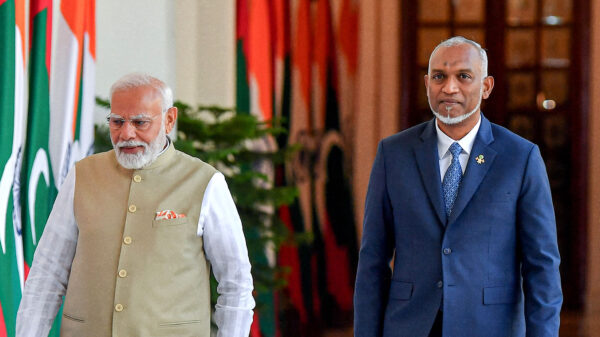
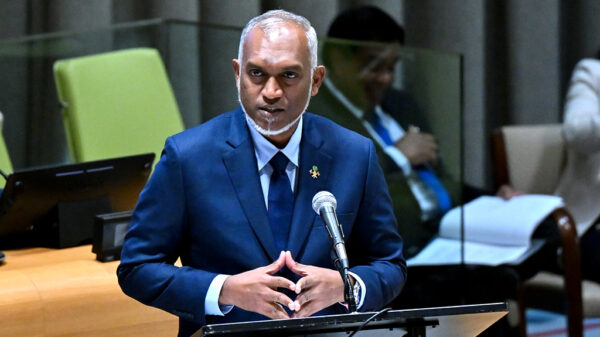
The CSC also confirmed that it is moving forward with policies outlined in President Mohamed Muizzu’s Presidential Address, which include introducing greater flexibility in working hours for caregivers of persons with disabilities.
In addition, the government continues to strengthen benefits for women in the workforce. At present, female civil servants are entitled to six months of fully paid maternity leave. Mothers are also granted flexible working arrangements until their child reaches one year of age.
Authorities are now preparing legislative amendments to extend that flexibility period from one year to two years, providing additional support to working parents within the civil service.
Officials say the proposed reforms reflect a broader shift toward creating a more inclusive and responsive public sector work environment.