




















An audit of the Sovereign Development Fund (SDF) has revealed that the fund was extensively misused between 2017 and 2023, with large portions allocated to treasury bills and government loans — diverging from its intended purpose of supporting public debt repayment.
The findings were detailed in a report titled Review of Sovereign Development Fund 2017 to 2023, published by the Auditor General’s Office. The report noted that for much of its operation, the SDF lacked a formal legal framework. Prior to the 2023 amendment to the Public Finance Act, the fund was managed without clearly defined legal provisions.

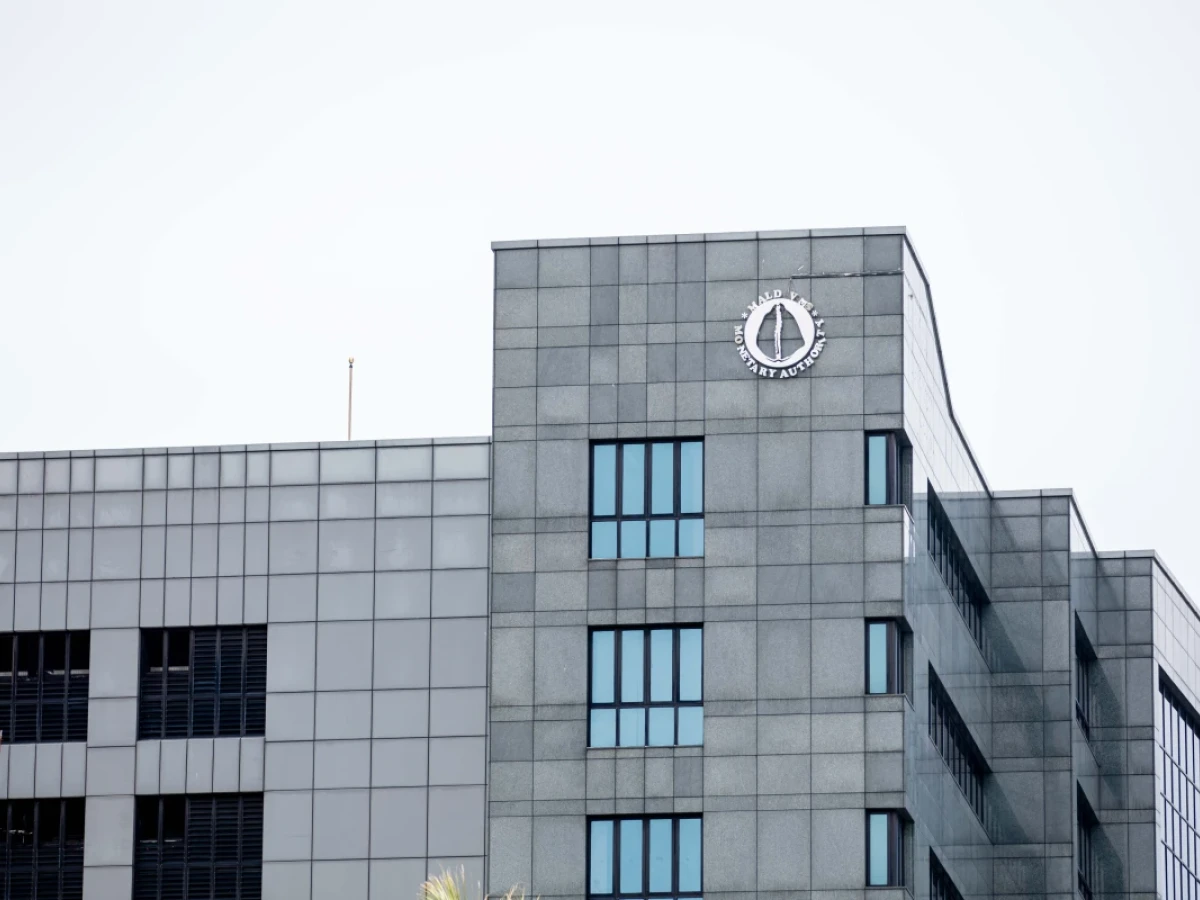
Although the SDF was originally created to serve as a fiscal buffer to ensure the government could meet its debt obligations, a 2019 agreement between the Maldives Monetary Authority (MMA) and the Ministry of Finance allowed for the conversion of SDF reserves into local currency. That agreement was terminated on 12 September 2023, with the understanding that converted funds would eventually be reverted back to US dollars — a process that has yet to be completed.
By the end of 2023, the fund had accumulated a total of USD 486.72 million. However, only 35 percent (USD 170.25 million) was held in US dollars, while the remaining 65 percent (USD 317.77 million) was in Maldivian Rufiyaa. Of that, the fund’s cash balance was reduced to just USD 17.58 million in dollars and MVR 707,547 in local currency, excluding other forms of investment.
The audit also disclosed that nearly 88 percent of the fund’s value — USD 425.82 million — had been used to purchase treasury bills. Of this, USD 138.74 million was allocated to dollar-denominated T-bills, while MVR 285.36 million was spent on local currency instruments. The Auditor General’s Office criticised this as a deviation from the fund’s original objective, warning that such investments could hinder accessibility of funds when large debt repayments are due in 2025 and 2026.
The report further revealed that loans had been issued to several state-owned enterprises using money from the SDF, yet proper documentation for these transactions was either incomplete or missing altogether.
In response to the audit, the current administration has submitted a bill to the 20th Parliament to formalise the legal structure governing the SDF. A similar bill proposed during the 19th Parliament — then controlled by the Maldivian Democratic Party (MDP) — was rejected.
The SDF, often viewed as a critical financial safeguard for the nation’s fiscal health, has come under increasing scrutiny as the country faces mounting debt obligations and growing calls for transparency in public finance management.