



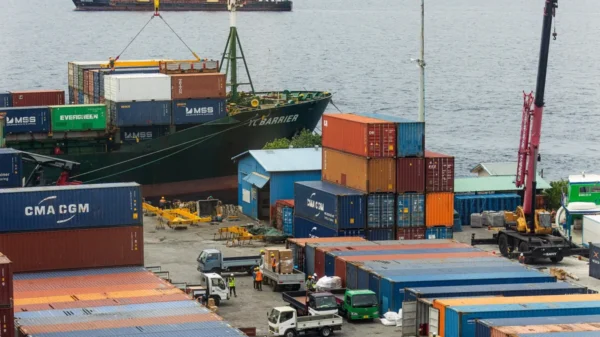











The Maldives–China Free Trade Agreement (FTA) has completed one year since coming into force, with officials describing the pact as a key driver of expanded trade and economic cooperation between the Maldives and China.
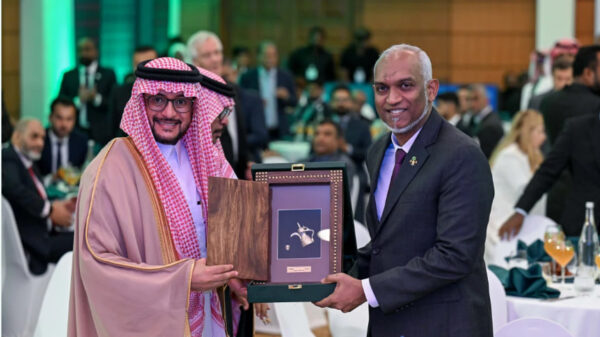
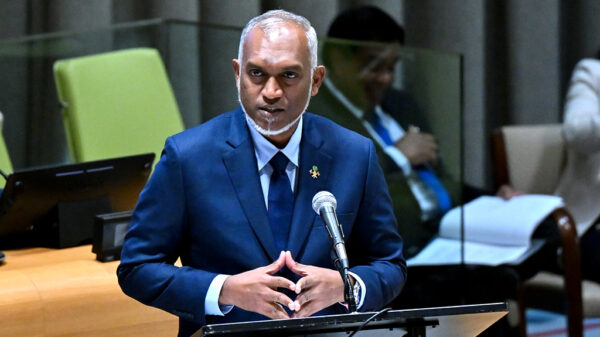
The agreement took effect on 1 January last year under the administration of President Mohamed Muizzu, becoming the first free trade agreement currently in operation for the Maldives.

According to the Ministry of Economic Development and Trade, the FTA is designed to widen market access, reduce trade barriers and create new opportunities for local businesses, exporters and consumers.
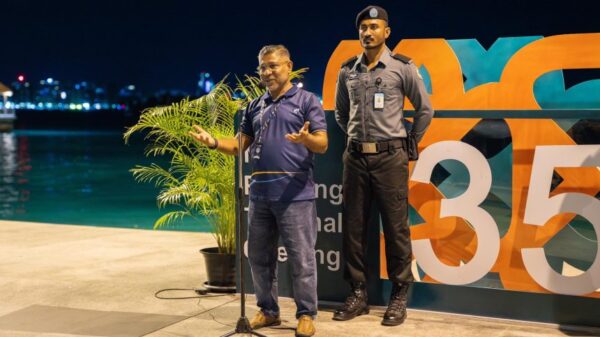
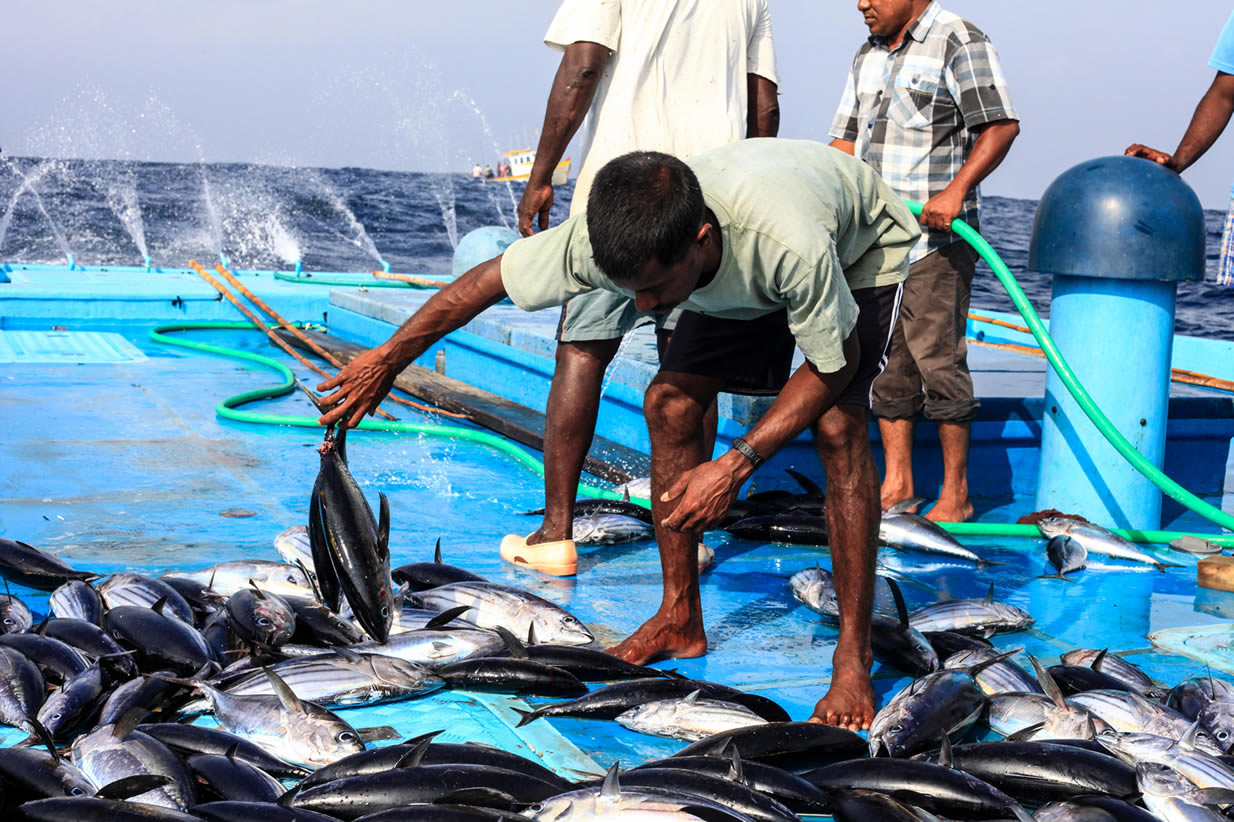
Economic Ministry Consultant Shuhad Ibrahim said there has been a growing interest among Maldivian businesses in exporting to China since the agreement’s implementation. He noted that the fisheries sector stands out as one of the main beneficiaries.
Thirteen Maldivian companies have completed registration with China’s General Administration of Customs, allowing them to export fish products directly to the Chinese market. Officials say this marks an important shift, enabling companies to move beyond exporting raw fish at lower value and instead process and add value locally before shipment — increasing revenue potential and strengthening competitiveness.
China remains one of the world’s largest manufacturing centres and a major trading partner of the Maldives. Officials expect the agreement to lower the cost of selected imported goods from China, potentially benefiting consumers through reduced prices.
Authorities further stated that the FTA framework is expected to boost export and re-export activities, facilitate greater processing of fisheries and other goods within the Maldives, and encourage new business ventures. Increased Chinese investment is also anticipated, with projections that this will contribute to economic growth and job creation nationwide.
The government has described the FTA as a strategic step toward economic diversification and long-term trade resilience, positioning the Maldives to strengthen its integration into regional and global markets.