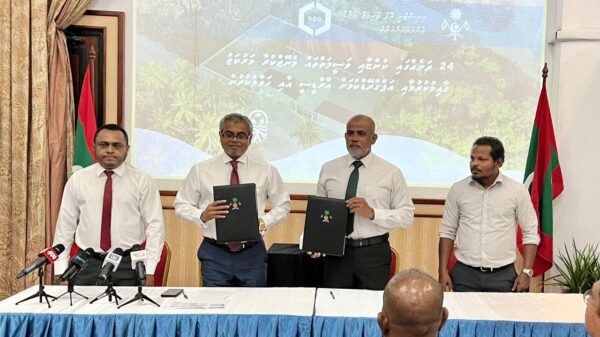








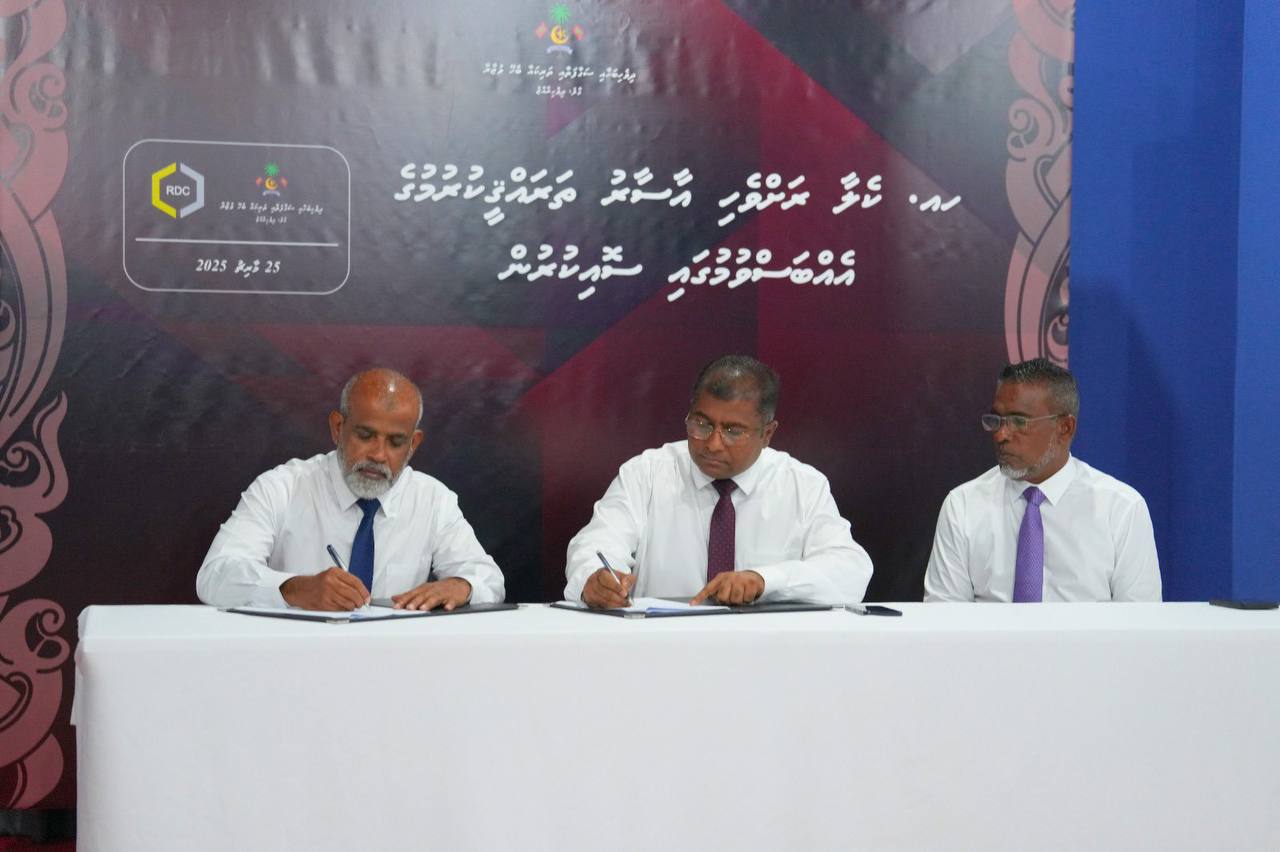
The government has signed an agreement with the Road Development Corporation (RDC) to undertake restoration and development work at heritage and cultural sites on the island of Kelaa in Haa Alifu Atoll.
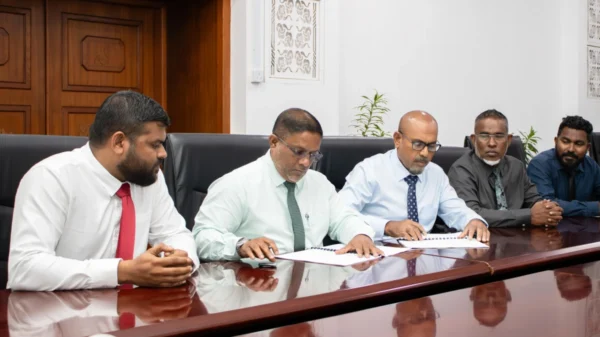
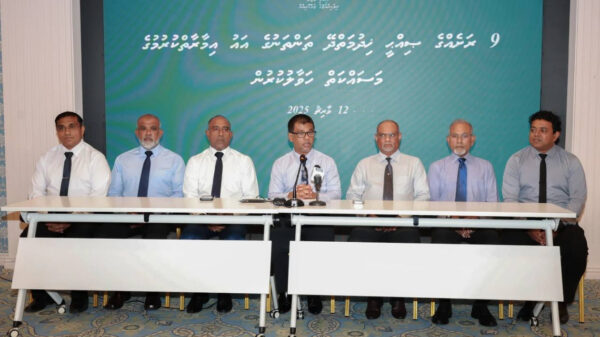
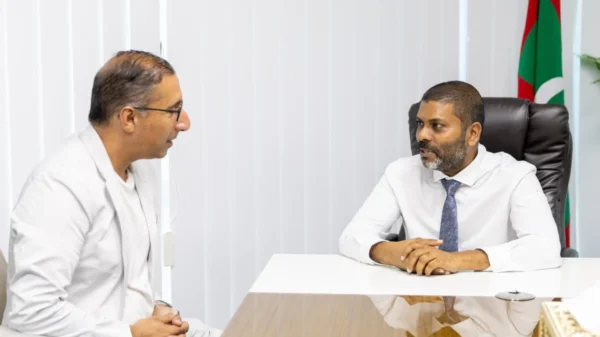
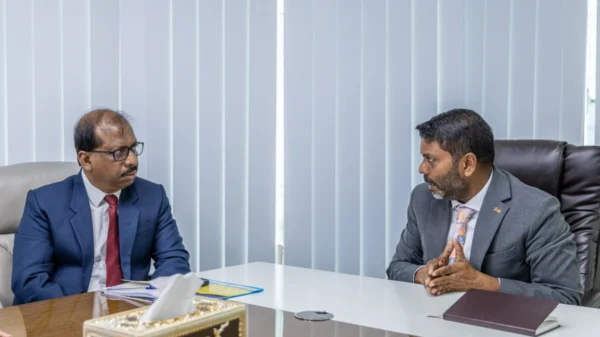
The contract was signed on Tuesday by Minister of Dhivehi Language, Culture and Heritage Adam Naseer Ibrahim on behalf of the government, and RDC’s Managing Director, Brigadier General (Retired) Ali Zuhair.

Speaking at the ceremony, Minister Adam Naseer highlighted that the project is in line with the Ministry’s Strategic Action Plan, which places high importance on preserving historical monuments and cultural heritage across the Maldives. He said the initiative reflects President Dr Mohamed Muizzu’s broader vision to safeguard cultural identity and promote heritage-based tourism throughout the country.
“This project is part of a larger mission to ensure that the cultural richness of our islands is not only protected but celebrated,” he said. “Heritage should reflect the true identity and character of our people. These stories and sites are essential to preserving our way of life.”
The Minister also referenced future plans for cultural preservation and development in other historically significant islands in Haa Alifu Atoll—namely Thakandhoo, Baarah, and Utheemu. Thakandhoo is home to a number of important heritage sites, including the tomb of Ali Thakurufaanu and the country’s largest coral stone graveyard.
Kelaa MP Abdulla Shareef, who attended the signing, welcomed the move, noting that the island’s cultural legacy had long been overlooked. He expressed optimism that the current administration would rectify this neglect over the next five years by restoring key heritage landmarks.
The Ministry of Dhivehi Language, Culture and Heritage continues to implement a range of programs aimed at preserving and promoting national identity, including the integration of cultural education into the school curriculum, and nationwide awareness campaigns about the importance of heritage and tradition.
The partnership with RDC is expected to mark a significant step forward in transforming Kelaa into a cultural hub while preserving its unique history for future generations.