





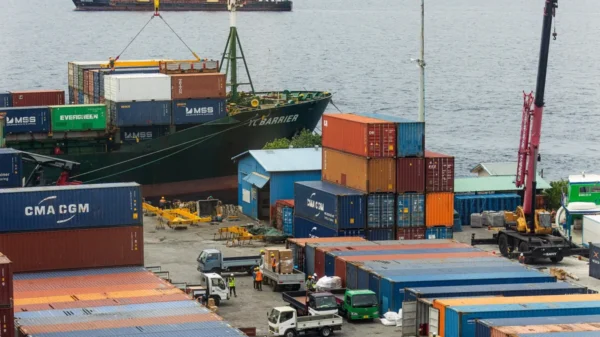
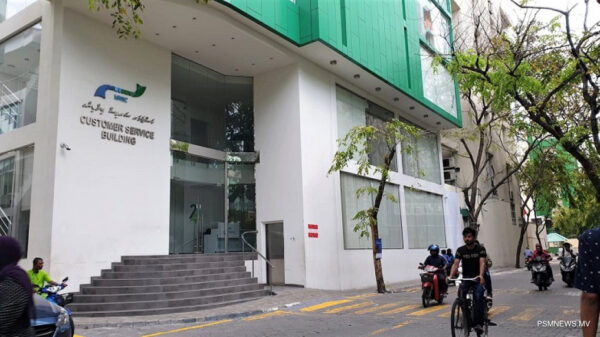




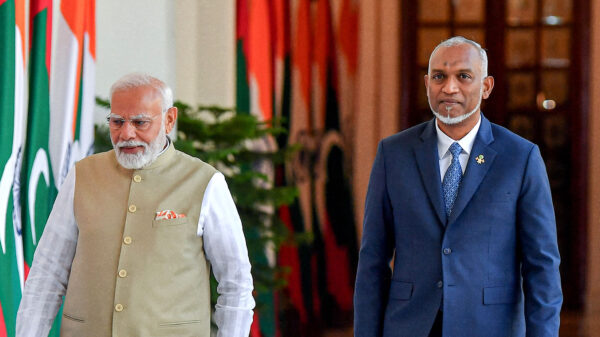
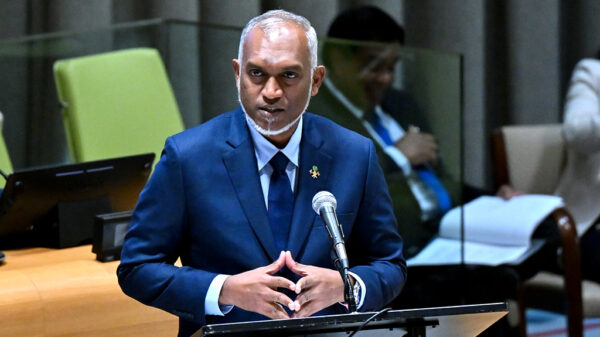









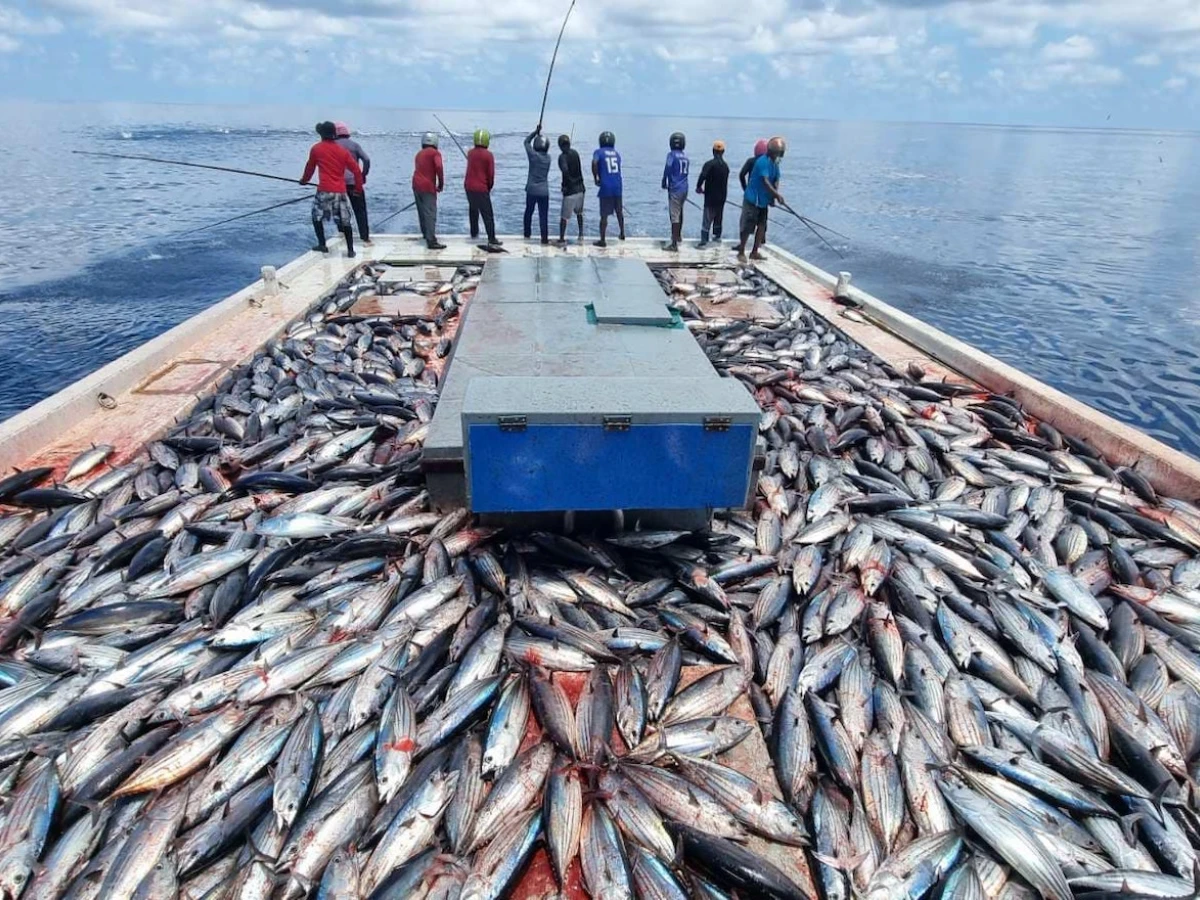
The Maldives has recorded a remarkable rise in fish exports during the first four months of 2025, reflecting renewed momentum in one of the country’s most vital economic sectors. According to the latest figures released by the Maldives Monetary Authority (MMA), total fish export volumes jumped by 64.7 percent year-over-year, signalling robust growth in demand—particularly for fresh and frozen varieties.
Between January and April 2025, the Maldives exported 31,000 metric tonnes of fish, up from 19,000 metric tonnes during the same period in 2024. The spike is largely attributed to surging exports of fresh and frozen skipjack tuna, which increased by 78 percent, reaching 28,000 metric tonnes compared to 15,000 metric tonnes last year.

Other fresh and frozen fish products (excluding skipjack) also posted healthy gains, with exports rising by 40 percent to 229 metric tonnes, up from 163 metric tonnes. Similarly, processed tuna exports expanded 58 percent, totalling 532 metric tonnes, driven by steady international market demand.
However, not all segments performed equally. Canned and pouched fish exports fell by 17 percent, dropping to 2,127 metric tonnes from 2,556 metric tonnes the year before—a contrast to the otherwise upward trend in the sector.
The Maldivian government has identified the fisheries industry as a cornerstone of national economic growth, with a focus on modernising infrastructure and addressing structural bottlenecks. Central to this strategy is the new fish canning facility in Hulhumalé, a project spearheaded by the Maldives Industrial Fisheries Company (MIFCO).
The state-of-the-art plant is being financed through a USD 65 million loan from the Islamic Development Bank (IsDB) in partnership with the Maldivian government. Once completed, the facility is expected to process up to 35 metric tonnes of canned fish daily, significantly boosting the country’s production and export capacity.
Officials say the canning plant represents a critical milestone in the government’s broader plan to transform the fisheries sector into a high-value export industry. The project also aims to generate employment, improve supply chain efficiency, and secure a stronger foothold for Maldivian seafood in global markets.
As the Maldives navigates rising global demand for sustainably sourced seafood, stakeholders are optimistic that continued investments in infrastructure and value-added production will sustain the upward momentum witnessed in early 2025.