



















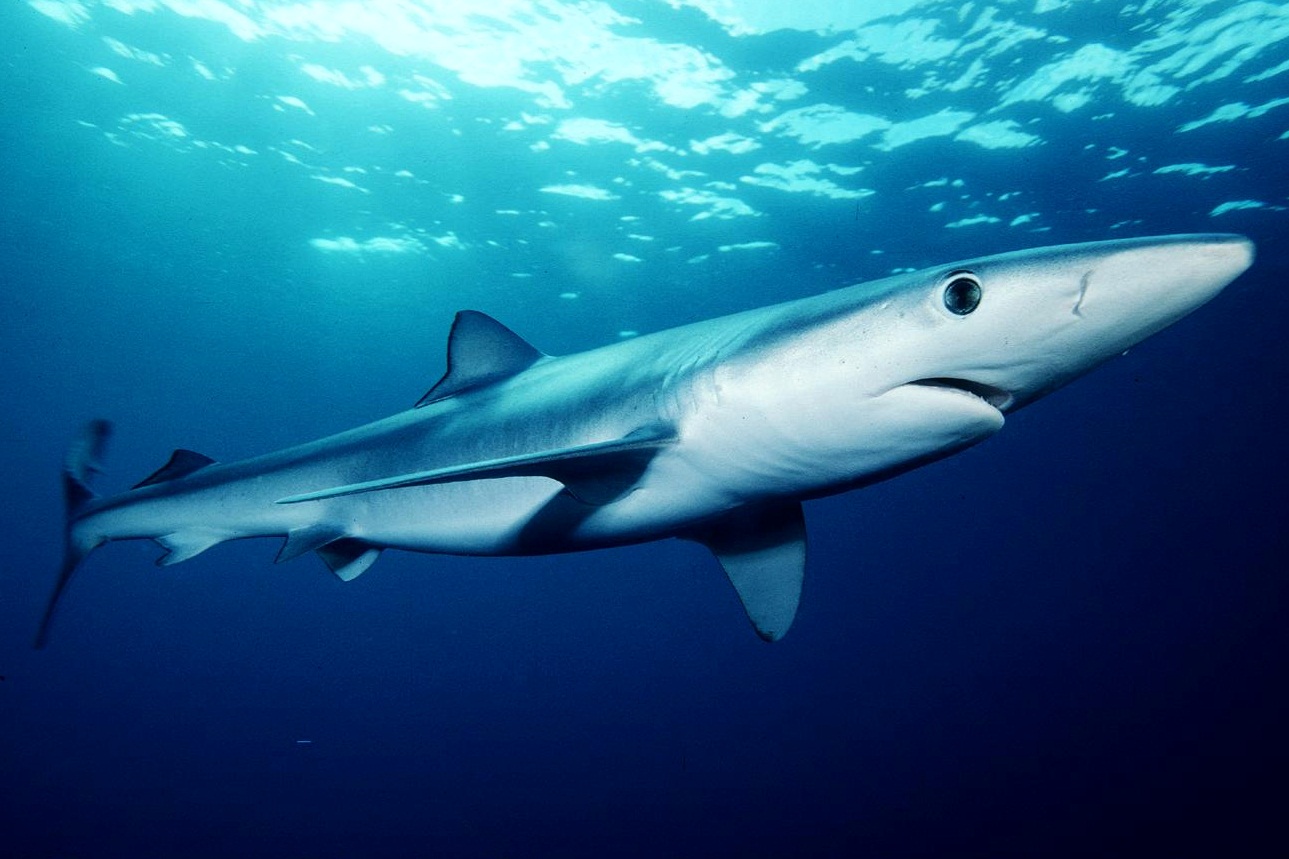
The Ministry of Fisheries and Ocean Resources has announced the resumption of commercial gulper shark fishing, ending a years-long moratorium that was originally imposed to protect vulnerable deep-sea shark populations.
The decision, formalised under the newly approved Gulper Shark Fisheries Planning and Distribution Regulations, was announced on Saturday and takes immediate effect. The move aims to generate economic value—particularly from the high-demand shark oil market—while ensuring that fishing activities remain strictly controlled and ecologically sustainable.

Gulper shark fishing has long been part of the Maldives’ deep-sea fishing tradition but was suspended after concerns over declining populations. According to the Fisheries Ministry, recent community observations suggest a recovery in shark numbers, and government studies indicate that a tightly regulated fishery could provide a new source of national revenue without compromising marine balance.
Under the new regulatory framework, a maximum of 40 fishing vessels across the country will be licensed for gulper shark operations. Each license will be valid from 1 November to 31 October of the following year. The Ministry will issue specific permits for every stage of the supply chain, including fishing vessels (USD 129.70 annual fee), processors (USD 324.25), and suppliers (USD 194.55).
Fishing and processing activities will be limited to four designated ports to facilitate oversight and traceability:
-
Kulhudhuffushi City Port, Haa Dhaalu Atoll
-
Funadhoo, Shaviyani Atoll
-
Maduvvari, Raa Atoll
-
Himandhoo, Alifu Alifu Atoll
The regulations also mandate strict species control, permitting fishermen to target only gulper sharks. Catches must be landed whole at authorised ports, and the separation or processing of shark parts at sea is explicitly prohibited.
Violations of these conditions carry heavy penalties. Fishing in restricted areas or targeting unauthorised species will incur fines of up to USD 6,485, while repeat or severe offences—including operating without a valid license—may result in penalties as high as USD 25,940.
Officials from the Ministry stated that the new licensing framework reflects a balanced approach—protecting marine ecosystems while creating new economic opportunities for fishing communities and the broader Maldivian economy.