




















The Maldives Food and Drug Authority (MFDA) has announced a 50 percent reduction in registration and annual licensing fees for food and beverage service providers, a measure that will remain in effect for the next two years.
The fee reduction applies across all categories of food and beverage services regulated by the authority. Under existing regulations, businesses are required to register under one of 14 defined categories, each previously subject to a one-time registration fee of USD 32.35. Under the revised guidelines, this registration fee has now been reduced to USD 16.17.

In addition to the registration fee cut, MFDA has also halved annual licensing fees, which previously started at USD 129.39, depending on the category of service. The revised annual fees came into effect from today, the authority said.
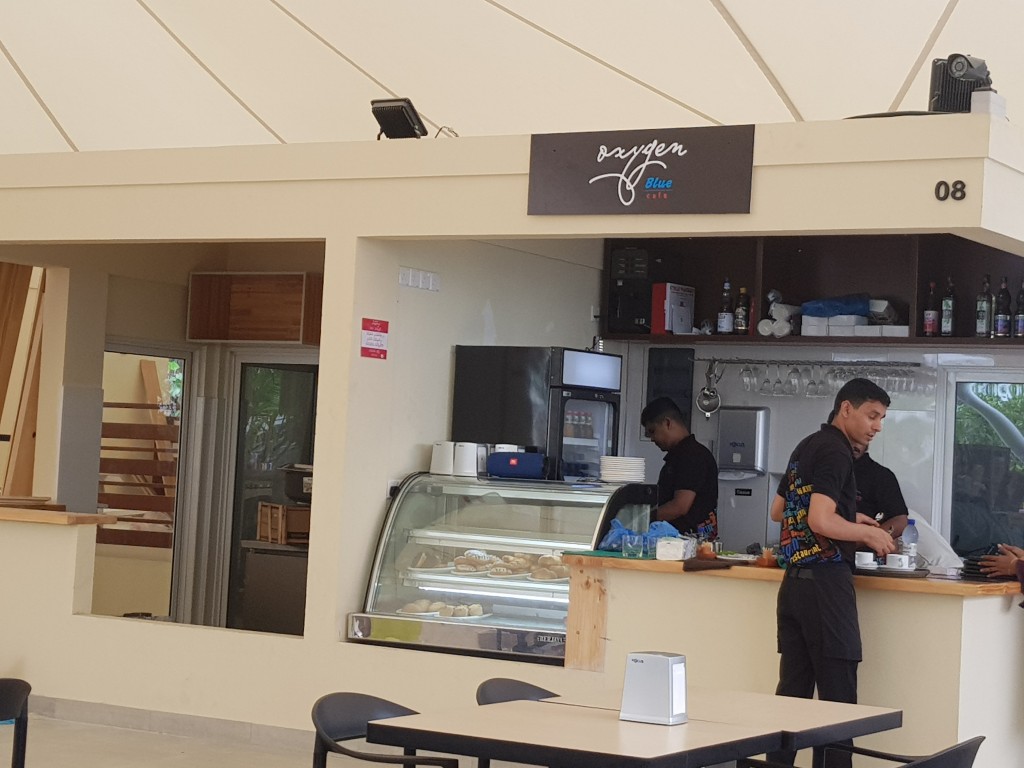
Under the updated structure, cafés, restaurants, and similar establishments registered with the Ministry of Economic Development will now pay USD 129.39 annually, with an additional USD 6.47 per serving area and USD 6.47 for every additional 50 chairs. Catering services, bakeries, and pastry shops will be charged USD 64.69, while packaged rice-meal takeaway outlets, commercial kitchens, short-eats shops, and drinks-only establishments will each pay USD 129.39 per year. Street food vendors, food trucks, and similar mobile services will be charged USD 32.35 annually.
MFDA said the reduction is aimed at easing the financial burden on food businesses while maintaining regulatory oversight and food safety standards.
The move follows the enactment of the Food Safety Act (Act No. 6/2024) in August 2024, which placed MFDA under a strengthened legal mandate. The revised law assigns the authority primary responsibility for the classification, registration, and licensing of food and beverage service providers across the Maldives.
Under the amended framework, MFDA now plays a central role in regulating cafés, restaurants, and other food-related businesses, ensuring compliance with safety standards while streamlining the licensing process.
Officials said the temporary fee reduction is expected to support small and medium-sized food businesses, encourage compliance, and strengthen overall food safety governance during the transition to the new regulatory system.